
Quick Timeline
Select any year below to explore concise illustrated detail for that period of the reign. From the accession in 1509 through wars with France and Scotland, the break with Rome, the Dissolution of the Monasteries, and the King's final years — every year tells its own story.
The timeline of Henry VIII's reign begins with his accession in 1509, a moment marked by youthful optimism and grand ambition. The young king inherited a stable realm from his father, Henry VII, and quickly set about distinguishing himself on the European stage. Those early years were defined by military campaigns against France and Scotland, the glittering Field of Cloth of Gold diplomatic spectacle, and the steady rise of Thomas Wolsey as chief minister. Yet beneath the pageantry, tensions already stirred concerning the Tudor succession, for the king's overriding desire for a male heir would soon reshape the entire course of English history in ways no one could have anticipated.
The year 1527 stands as a pivotal turning point within any timeline of this reign, for it marked the beginning of what became known as the King's Great Matter. Henry VIII's conscience, and his conviction that his marriage to Catherine of Aragon was cursed, drove him to seek an annulment that the papacy would not grant. This impasse led England down an unprecedented path, severing centuries of allegiance to Rome and establishing the monarch as Supreme Head of the Church in England. Thomas Cromwell emerged as the architect of this revolution, steering through Parliament the acts that legally broke the ancient ties binding England to papal authority.
The dissolution of the monasteries unfolded across the later 1530s, representing one of the most profound social and economic upheavals of the entire reign. Commissioners were dispatched to survey religious houses across the kingdom, and what followed was the systematic closure of hundreds of monastic institutions. Their lands, treasures, and incomes were transferred to the crown, reshaping the landscape of England forever. This period also witnessed the Pilgrimage of Grace, a massive popular uprising in the north that posed the most serious domestic threat Henry ever faced. The rebellion's brutal suppression demonstrated the king's unwillingness to tolerate any challenge to his religious settlement.
The final years of Henry VIII's reign, from 1540 onward, were marked by shifting alliances, further military ventures, and the king's declining health. Three more marriages followed the fall of Anne Boleyn, each carrying its own political implications and personal dramas. War with France and Scotland resumed, placing enormous financial strain on the realm. Meanwhile, the king's once-impressive physique deteriorated, and his temper grew increasingly unpredictable. The succession was secured through the birth of the future Edward VI, but the machinery of government continued to evolve around a monarch who grew ever more suspicious and isolated in his final years.
Key Moments Across the Reign

1509: Accession & Marriage
Henry VIII acceded to the throne on the death of his father Henry VII and married Catherine of Aragon, Arthur's widow. He was crowned at Westminster Abbey on 24 June 1509.
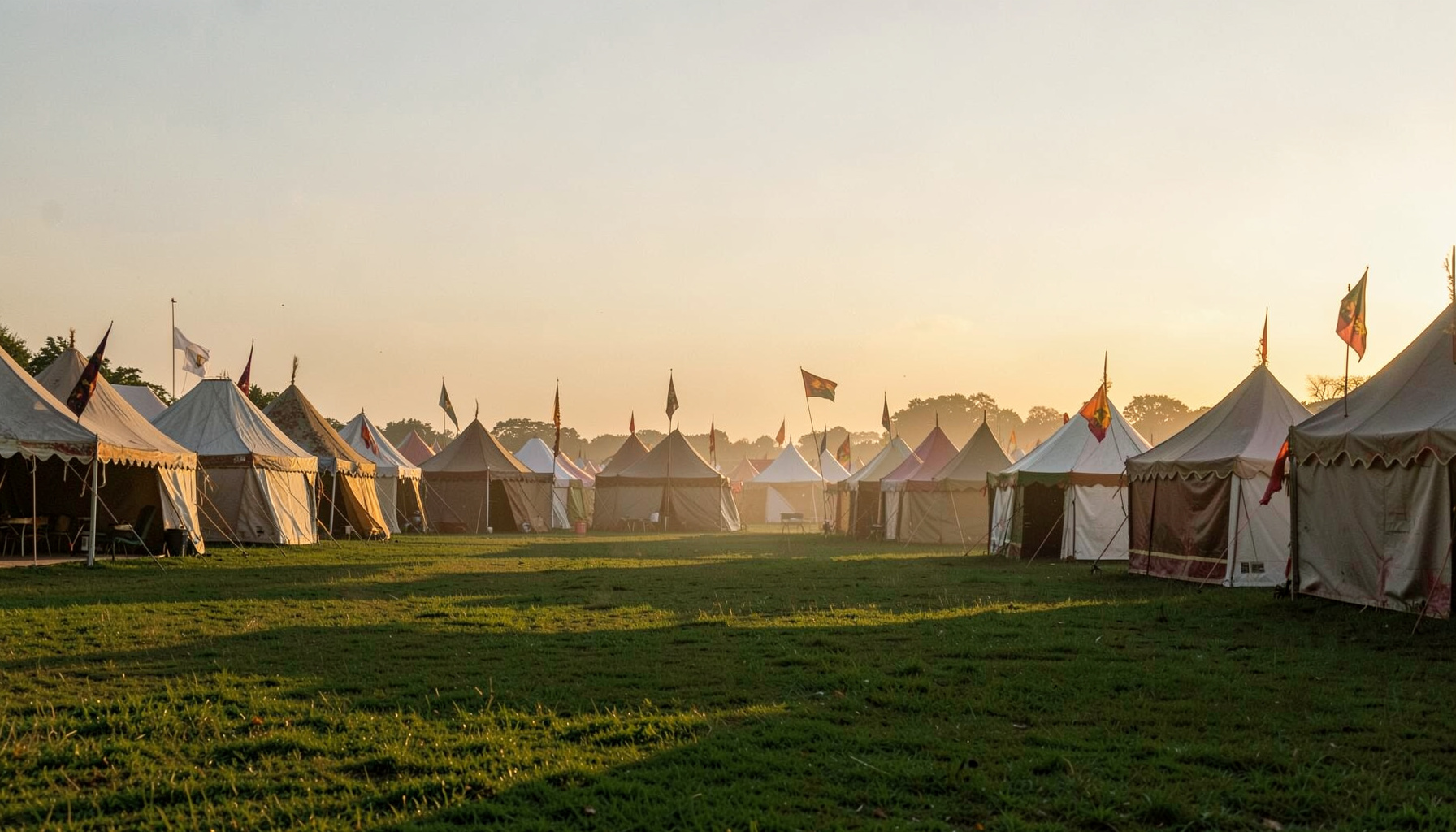
1520: Field of the Cloth of Gold
Henry met Francis I of France near Calais in a spectacular display of royal magnificence, designed to cement an alliance between the two kingdoms.

1534: Act of Supremacy
Parliament declared Henry the Supreme Head of the Church of England, severing ties with Rome and reshaping the religious landscape of the realm.