
Lives That Defined an Era
The reign of Henry VIII was shaped by an extraordinary cast of individuals — from devoted queens and ambitious ministers to popes and reformers whose convictions altered the course of English history. Below are profiles of some of the most significant figures.

Catherine of Aragon
Daughter of Ferdinand and Isabella of Spain, Catherine was first married to Henry's elder brother Arthur. After Arthur's death in 1502, she married Henry VIII in 1509. Her failure to produce a surviving male heir became the catalyst for the King's Great Matter and the break with Rome.

Anne Boleyn
Anne's refusal to become the King's mistress and Henry's determination to marry her drove England's break from the Catholic Church. Crowned queen in 1533, she gave birth to the future Elizabeth I. Her downfall came swiftly; she was executed on charges of adultery and treason in May 1536.

Thomas Wolsey
Wolsey rose from humble origins to become the most powerful churchman and statesman in England. As Lord Chancellor and papal legate, he dominated government for nearly two decades. His failure to secure an annulment for Henry's marriage to Catherine of Aragon led to his dramatic fall from favour in 1529.

Thomas Cromwell
A lawyer and statesman of humble birth, Cromwell engineered the legislative programme that established the Royal Supremacy and dissolved the monasteries. He was a principal architect of the English Reformation until his execution in 1540 following the disastrous Cleves marriage.

Charles V
Nephew of Catherine of Aragon, Charles V was the most powerful ruler in Europe. His control over the papacy and his opposition to the annulment of his aunt's marriage were significant obstacles to Henry VIII's ambitions. He ruled an empire spanning Spain, the Netherlands, Austria, and vast territories in the Americas.

Martin Luther
The German friar whose Ninety-Five Theses in 1517 ignited the Protestant Reformation across Europe. Henry VIII initially opposed Luther's teachings, earning the title Defender of the Faith from the Pope — an irony given the English break with Rome that followed.
Thomas More
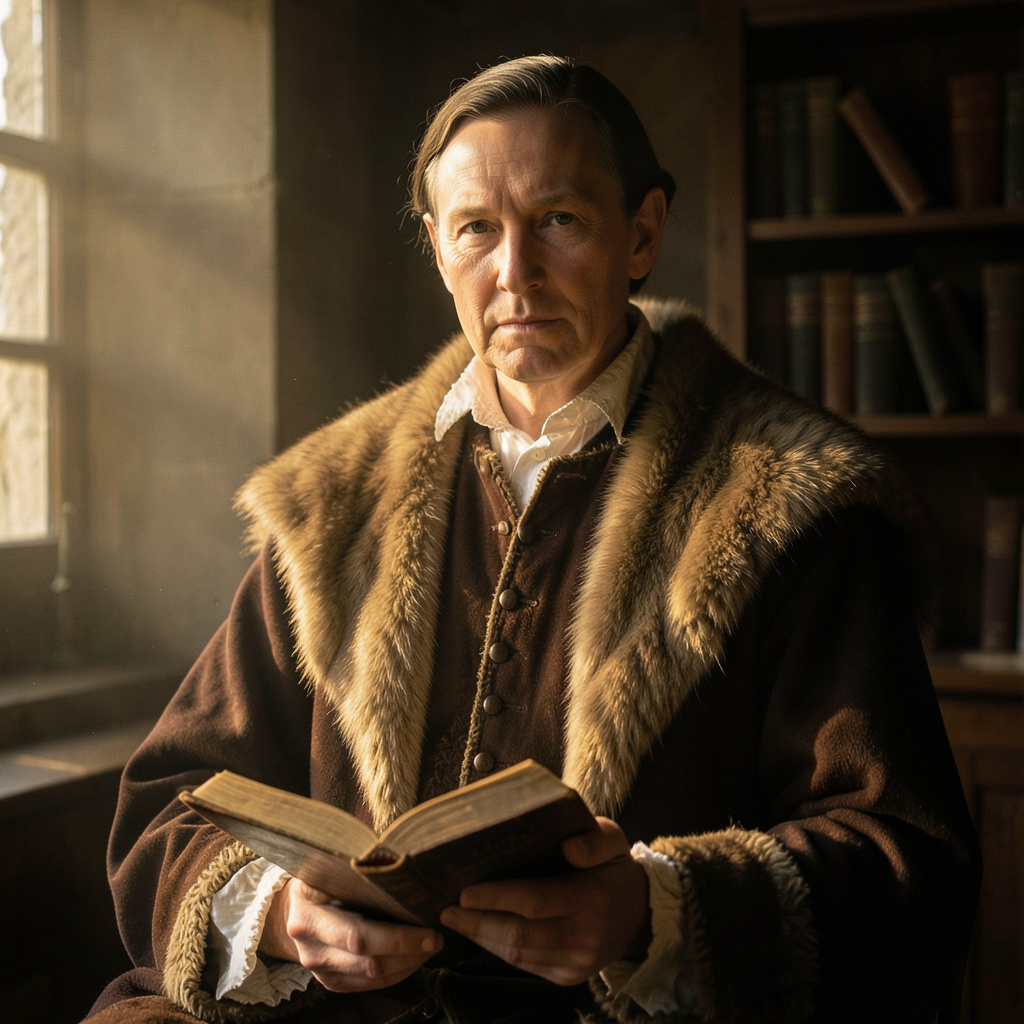
A renowned humanist and author of Utopia, More succeeded Wolsey as Lord Chancellor. He refused to accept Henry as Supreme Head of the Church in England and was executed for treason in 1535. He was canonised as a Catholic saint in 1935.

William Tyndale
Tyndale's English translation of the New Testament made scripture accessible to ordinary people for the first time. His work profoundly influenced the English language and later translations. He was executed for heresy in the Low Countries in 1536.
Clement VII
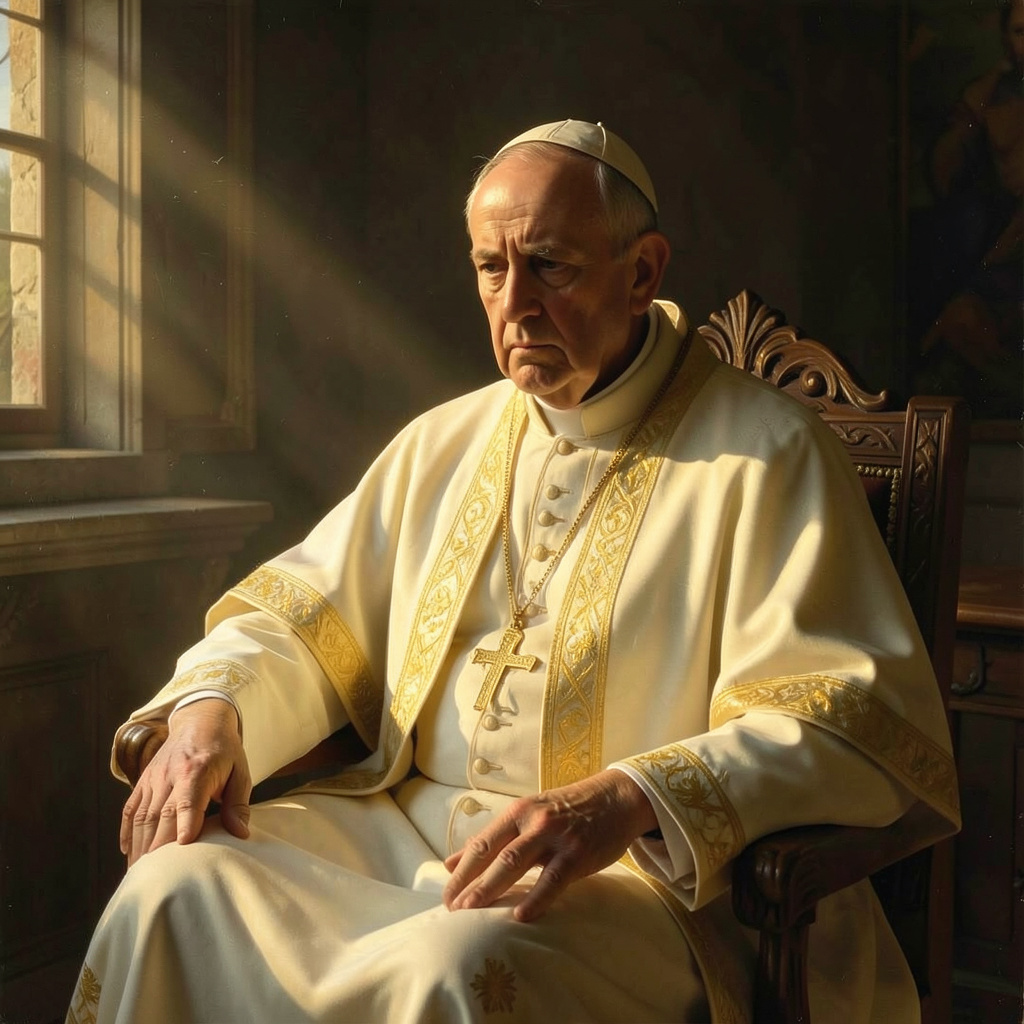
Giulio de' Medici, as Pope Clement VII, faced Henry VIII's demand for an annulment of his marriage to Catherine of Aragon. Under pressure from Charles V — who had sacked Rome in 1527 — Clement refused, precipitating England's break with the papacy.